

Understanding the Meaning of Interior Design: A Comprehensive Guide
Introduction
Interior design is a fascinating and essential aspect of our living spaces. But what exactly does it mean when we talk about interior design in Hindi? Understanding the nuances of this field in the context of Indian culture and language can provide a richer perspective on how we create and inhabit our homes. In this guide, we will explore the meaning of interior design in Hindi, its cultural significance, and how it blends tradition with modernity in India.
Basic Concepts of Interior Design
Definition of Interior Design
Interior design is the art and science of enhancing the interior of a space to achieve a healthier and more aesthetically pleasing environment for the people using the space. It involves a multifaceted process that includes conceptual development, space planning, site inspections, programming, research, and communication with stakeholders.
Elements of Interior Design
Interior design is built on several key elements:
- Space: The foundation of interior design, referring to the physical boundaries of the room.
- Line: Lines guide the eye and define forms.
- Forms: The shape of the room and any objects within it.
- Light: Essential for visibility and ambiance.
- Color: Impacts mood and the perception of space.
- Texture: Adds depth and interest.
- Pattern: Enhances visual interest and creates balance.
Interior Design in Hindi Context
Translation and Meaning
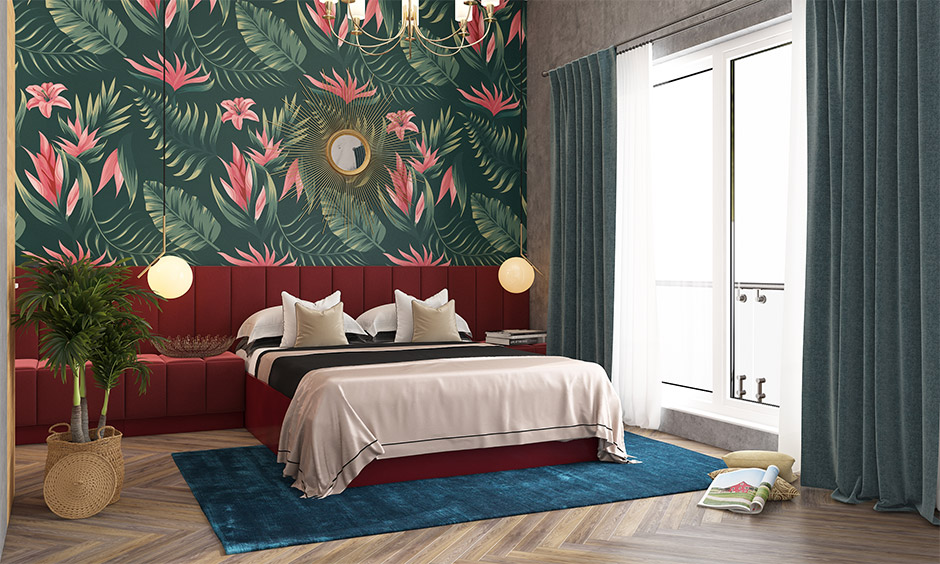
In Hindi, interior design is often referred to as “अंतरिक्ष सज्जा” (Antariksh Sajja) or “अंतरंग सज्जा” (Antarang Sajja). These terms encapsulate the idea of decorating and arranging internal spaces to make them functional and aesthetically pleasing.
Cultural Significance
Interior design in India goes beyond mere aesthetics. It is deeply intertwined with cultural and spiritual beliefs, such as Vastu Shastra, which influences how spaces are arranged to harmonize with natural forces and ensure well-being.
Historical Background
Evolution of Interior Design in India
Interior design in India has evolved significantly over the centuries, reflecting the country’s rich history and cultural diversity. Traditional styles, characterized by intricate woodwork, vibrant colors, and elaborate patterns, have gradually integrated modern minimalist aesthetics, resulting in a unique blend of old and new.
Traditional Indian Interior Design Styles
Traditional Indian interiors are known for their use of ornate furniture, detailed carvings, and rich textiles. Styles vary across regions, with Rajasthani, Mughal, and South Indian designs each offering distinct elements.
Modern Interior Design Trends in India
Fusion of Traditional and Contemporary Styles
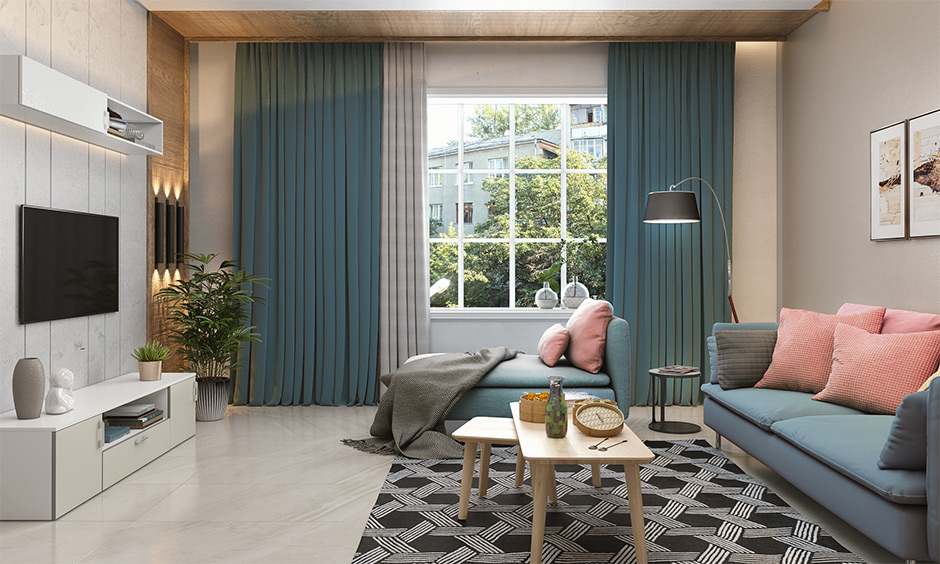
Modern Indian interior design often combines traditional elements with contemporary aesthetics. This fusion creates spaces that are both culturally resonant and stylishly modern.
Popular Trends
Current trends in Indian interior design include the use of sustainable materials, open floor plans, and the incorporation of smart home technology. These trends reflect a growing emphasis on environmental responsibility and technological advancement.
Key Elements of Interior Design
Space
The concept of space is fundamental in interior design. It involves the careful planning and utilization of both positive space (filled with furniture and decor) and negative space (empty areas).
Line
Lines can be horizontal, vertical, or dynamic. They guide the eye and influence the perception of space.
Forms
Forms refer to the shape and structure of furniture, decor, and architectural elements.
Light
Lighting is crucial for functionality and ambiance. It includes natural light and artificial lighting solutions.
Color
Color impacts emotions and mood. It can make a space feel larger, cozier, or more vibrant.
Texture
Texture adds depth and interest to a space, whether through smooth surfaces, rough fabrics, or tactile finishes.
Pattern
Patterns can add rhythm and harmony to a room, contributing to its overall aesthetic appeal.
Role of Interior Designers
Skills Required
Interior designers need a blend of creativity, technical knowledge, and interpersonal skills. They must understand design principles, color theory, and spatial arrangements, as well as how to communicate effectively with clients and contractors.
Job Responsibilities
Their responsibilities include developing design concepts, selecting materials and finishes, creating detailed drawings, and overseeing the implementation of their designs.
1000+ High-Quality Modern Modular Interiors for Any Space
Steps to Become an Interior Designer in India
Education and Certification
Aspiring interior designers in India typically pursue a degree in interior design from a recognized institution. Certification from professional bodies can also enhance credibility.
Practical Experience
Gaining practical experience through internships and work placements is crucial for building a successful career in interior design.
Cultural Influences on Interior Design
Impact of Indian Culture
Indian culture profoundly influences interior design, from the use of traditional motifs and crafts to the incorporation of religious and spiritual elements.
Incorporating Cultural Elements
Designers often incorporate cultural artifacts, traditional textiles, and regional crafts into their designs to create spaces that reflect the heritage and identity of the inhabitants.
Sustainable Interior Design Practices
Importance of Sustainability
Sustainability is becoming increasingly important in interior design. Eco-friendly practices not only benefit the environment but also promote healthier living spaces.
Eco-friendly Design Tips
Using recycled materials, energy-efficient lighting, and sustainable furnishings are just a few ways to create eco-friendly interiors.
Vastu Shastra in Interior Design
Principles of Vastu Shastra
Vastu Shastra is an ancient Indian science of architecture that guides the design and layout of buildings to promote harmony with natural forces.
Application in Modern Interiors
Modern designers often incorporate Vastu principles to enhance the flow of energy and ensure well-being in living spaces.
Technology in Interior Design
Digital Tools and Software
Advanced software and digital tools, such as AutoCAD, SketchUp, and 3D modeling programs, are essential for creating detailed design plans and visualizations.
Virtual Reality and 3D Modeling
Virtual reality and 3D modeling technologies allow designers and clients to explore and refine design concepts in a virtual space before implementation.
Interior Design Tips for Indian Homes
Space Optimization
Maximizing space is crucial in Indian homes, which are often compact. Using multifunctional furniture and smart storage solutions can help make the most of available space.
Color Schemes
Choosing the right color schemes can enhance the overall ambiance. Warm colors are often preferred in Indian homes for their inviting and cozy feel.
Furniture Selection
Selecting furniture that blends functionality with aesthetic appeal is key. Traditional Indian furniture, such as wooden carvings and handcrafted pieces, adds character to interiors.
Decor and Accessories
Decorative items, such as art, textiles, and accessories, play a significant role in adding personality and cultural depth to a home.
Challenges in Interior Design
Common Issues and Solutions
Common challenges include managing budgets, meeting client expectations, and coordinating with contractors. Effective communication and meticulous planning can help overcome these hurdles.
Balancing Budget and Aesthetics
Balancing budget constraints with aesthetic desires requires creativity and resourcefulness. Prioritizing key elements and opting for cost-effective alternatives can achieve a stunning result without overspending.
Conclusion(Interior Design Meaning)
Interior design in Hindi encompasses much more than just aesthetics; it is a reflection of cultural values, traditions, and modern influences. Understanding its meaning and significance in the Indian context allows us to create spaces that are not only beautiful but also harmonious and culturally enriched. Whether you’re looking to redecorate your home or pursue a career in interior design, embracing the cultural nuances and modern trends will help you achieve a perfect blend of style and substance.


