

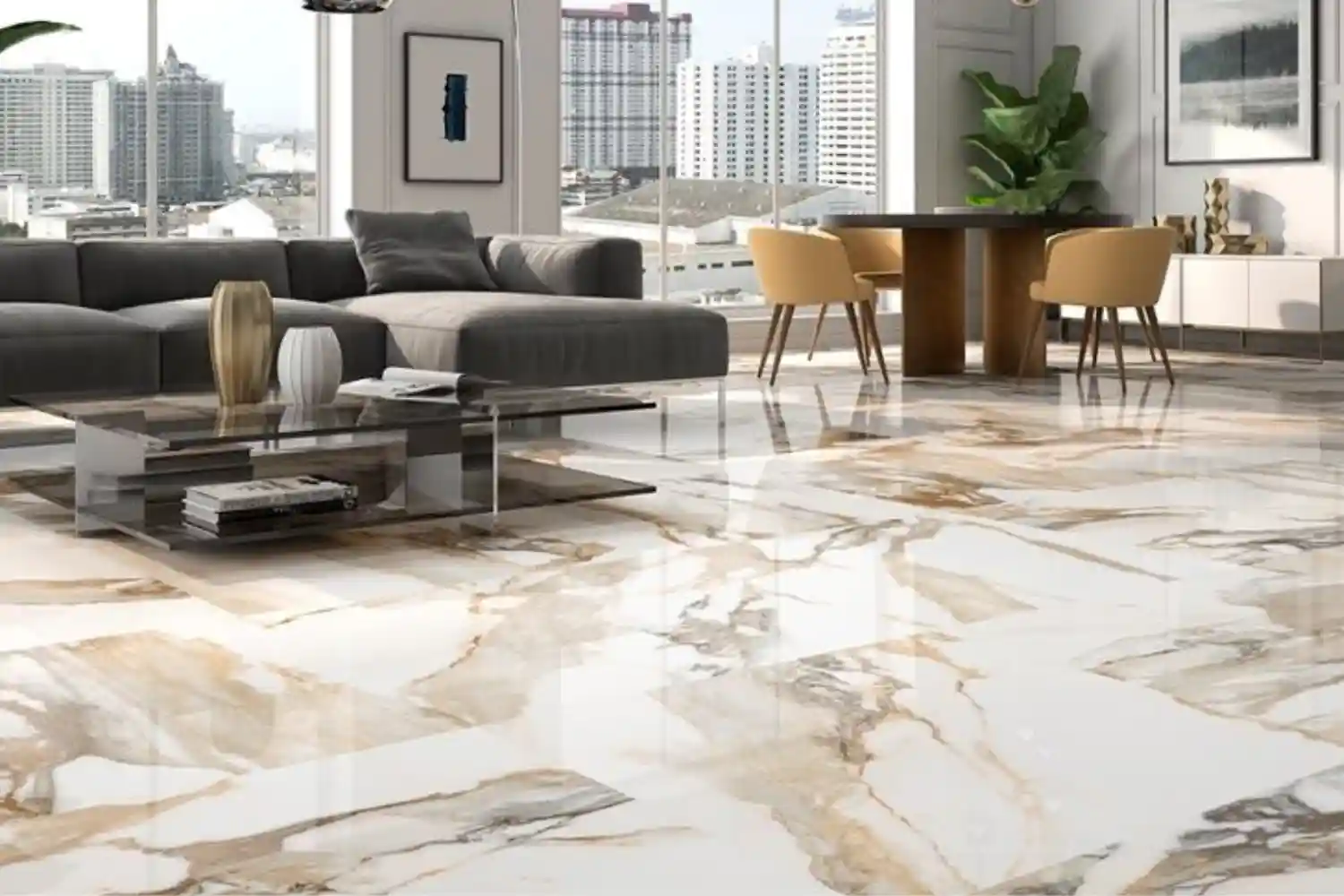
Comprehensive Guide to Flooring Design: Elevate Your Interior with the Right Choice
When designing a home or commercial space, one of the most significant aspects to consider is flooring design. Flooring not only serves a functional purpose, but it also plays a crucial role in the overall aesthetic appeal of the space. With numerous options available, choosing the right flooring can feel overwhelming. In this article, we will provide a thorough exploration of flooring design, delving into materials, styles, and practical tips to help you make informed decisions for your next project.
Why Flooring Design Matters
Flooring design is the foundation of any interior space. It sets the tone, dictates movement flow, and influences the way furniture is arranged. A well-thought-out flooring plan enhances the harmony between all the elements in the room, making the space feel more cohesive.
Choosing the right material and style can also affect the room’s acoustic properties, comfort levels, and even energy efficiency. Whether you prefer the natural beauty of wood, the durability of stone, or the modern flair of polished concrete, every choice should align with your lifestyle and design vision.
Popular Flooring Materials: Which Is Best for You?
1. Hardwood Flooring
Hardwood floors have been a timeless choice for homeowners due to their natural beauty, longevity, and warmth. These floors add a classic touch to any room and increase the value of the property. With proper maintenance, hardwood floors can last for decades.
- Pros: Durable, warm, and available in a variety of finishes. Can be refinished multiple times.
- Cons: Prone to scratches and moisture damage. Can be expensive.
Hardwood flooring works best in living rooms, bedrooms, and other low-traffic areas. However, it may not be the best option for kitchens or bathrooms due to the high risk of water damage.
2. Laminate Flooring
For those who love the look of hardwood but want a more affordable option, laminate flooring is an excellent alternative. Laminate is a synthetic material that mimics the appearance of wood, stone, or tile. It’s durable, easy to maintain, and suitable for high-traffic areas.
- Pros: Cost-effective, easy to install, resistant to stains and scratches.
- Cons: Not moisture-resistant. Can feel less authentic compared to real wood or stone.
This type of flooring is ideal for hallways, entryways, and living spaces where you expect higher foot traffic but don’t want to compromise on aesthetics.
3. Vinyl Flooring
Vinyl flooring has evolved significantly over the years and is now available in both sheet and luxury vinyl tile (LVT) formats. It is water-resistant, easy to clean, and offers a wide range of designs that replicate wood, stone, or ceramic tiles.
- Pros: Affordable, waterproof, and low maintenance.
- Cons: Can be less durable than wood or stone. Some types may fade over time.
Vinyl flooring is perfect for bathrooms, kitchens, and basements where moisture is a concern. It’s an excellent choice for families with kids or pets due to its durability and easy-to-clean surface.
4. Tile Flooring
For those seeking versatility and durability, tile flooring is a go-to choice. Available in materials such as ceramic, porcelain, and natural stone, tiles are highly resistant to wear and tear, moisture, and staining.
- Pros: Extremely durable, water-resistant, available in various colors and patterns.
- Cons: Can be cold and hard underfoot. Installation can be labor-intensive.
Tile flooring is commonly used in kitchens, bathrooms, and entryways but can also work well in living spaces if you’re aiming for a modern or minimalist look.
5. Carpet Flooring
Carpet offers warmth and softness, making it a popular choice for bedrooms and living rooms. It’s available in a variety of textures, colors, and patterns, allowing for flexibility in design.
- Pros: Soft, warm, and comfortable. Absorbs sound, making rooms quieter.
- Cons: Prone to stains, requires regular maintenance, and may not be suitable for allergy sufferers.
Carpeting is best suited for bedrooms, nurseries, or cozy family rooms where comfort is a priority.
Understanding Flooring Styles
1. Modern Flooring Design
Modern flooring trends focus on clean lines, simplicity, and neutral color palettes. Materials like polished concrete, engineered wood, and luxury vinyl tiles are popular in modern homes. These materials not only offer durability but also contribute to a sleek, minimalistic aesthetic.
2. Rustic Flooring Design
For those who prefer a more natural, earthy vibe, rustic flooring is an ideal choice. Think wide-plank hardwood, distressed finishes, and natural stone tiles. These materials create a warm, inviting atmosphere, perfect for country-style homes or cabins.
3. Traditional Flooring Design
Traditional flooring is all about timeless elegance. Hardwood floors, rich hues, and intricate patterns like herringbone or parquet are common in traditional designs. This style works well in classic homes, bringing a sense of sophistication and history to the space.
Factors to Consider When Choosing Flooring
1. Room Functionality
Each room in your home has a different function, and your flooring choice should reflect that. For example, kitchens and bathrooms require moisture-resistant materials like tile or vinyl, while living rooms and bedrooms benefit from softer options like hardwood or carpet.
2. Traffic and Durability
Consider the amount of traffic the area receives. High-traffic areas like entryways and hallways need durable, scratch-resistant floors, while low-traffic areas like bedrooms allow for more delicate materials.
3. Climate and Environment
Your location’s climate can influence your flooring decision. For example, hardwood floors may expand or contract in extreme weather conditions, while vinyl or tile may be better suited for humid environments.
4. Maintenance and Care
Different flooring types come with different maintenance needs. Carpet requires regular vacuuming and deep cleaning, while tile or vinyl needs occasional mopping. Consider your willingness to commit to the upkeep when choosing your flooring.
Eco-Friendly Flooring Options
Sustainability is becoming an increasingly important factor in flooring design. If you want to make an eco-conscious decision, consider materials like bamboo, cork, or recycled wood. These materials offer a lower environmental impact and still provide excellent durability and aesthetic appeal.
- Bamboo: A rapidly renewable resource that mimics the look of hardwood.
- Cork: Soft underfoot, sound-absorbing, and made from renewable resources.
- Recycled Wood: Gives new life to old materials, perfect for those aiming for a rustic look.
Conclusion
Flooring design is an essential part of any interior space, affecting both functionality and aesthetic appeal. With a vast array of materials and styles available, it’s crucial to choose the right flooring to complement your design vision, lifestyle, and needs. Whether you opt for the elegance of hardwood, the durability of tile, or the affordability of vinyl, your flooring will form the foundation of your home’s character.


