
Quiet Luxury Is Evolving: The New Interior Design Trends for 2026
Quiet luxury is evolving in 2026. Instead of focusing on expensive furniture, excessive decoration, or flashy finishes, modern luxury interiors are becoming warmer, more personal, functional, and timeless.
For homeowners in India and around the world, the latest approach combines natural materials, warm neutral colors, handcrafted décor, curved furniture, layered lighting, vintage pieces, smart-home technology, and sustainable design.
The result is a home that feels sophisticated without looking overly designed.
What Is Quiet Luxury in Interior Design?
Quiet luxury is an interior design style focused on understated elegance, high-quality materials, timeless furniture, and thoughtful details.
In 2026, quiet luxury is moving away from strictly neutral, showroom-style spaces. Designers are introducing more texture, personality, craftsmanship, natural materials, and cultural influences.
In simple terms, quiet luxury means creating a beautiful home that feels expensive because of its quality and design—not because it displays expensive products.
What Are the Biggest Quiet Luxury Interior Trends in 2026?
The biggest quiet luxury trends for 2026 include:
- Warm neutral color palettes
- Natural wood and stone
- Layered textures
- Curved furniture
- Vintage and antique accents
- Handmade décor
- Statement lighting
- Personalized interiors
- Discreet smart-home technology
- Sustainable and long-lasting materials
These trends can work in apartments, villas, luxury homes, and compact urban spaces.
1. Warm Neutrals Are Replacing Stark White
One of the most noticeable changes is the move toward warmer color palettes.
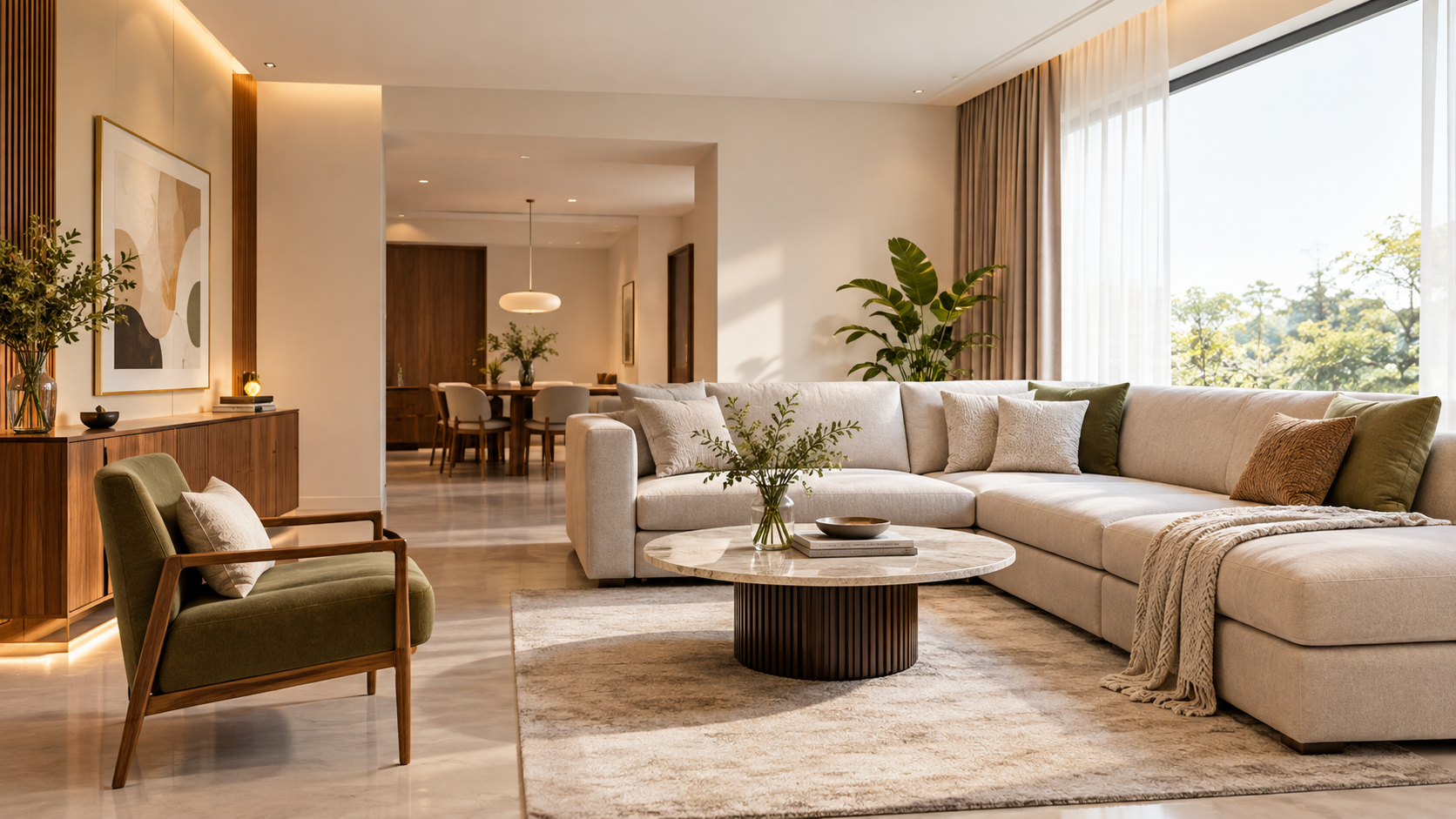
Cream, beige, taupe, mushroom, caramel, warm grey, terracotta, and soft brown create a more welcoming atmosphere than stark white.
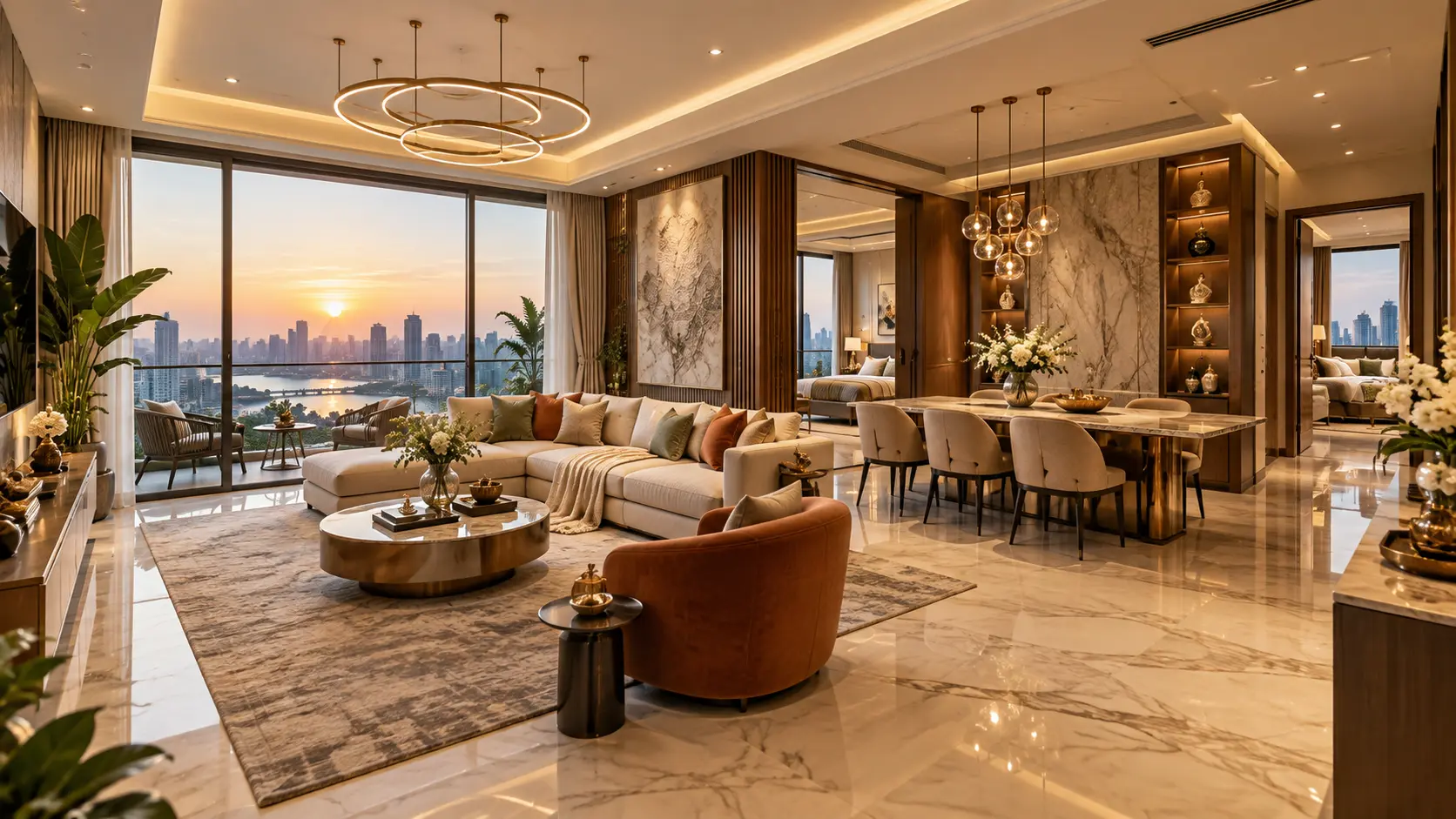
For Indian homes, these colors can work particularly well with wooden furniture, brass details, marble, stone, and handcrafted accessories.
How Can You Use Warm Neutrals?
Try using a warm neutral as the main wall color and introduce contrast through furniture, flooring, curtains, rugs, and artwork.
The goal is not to make everything the same shade. Instead, combine different tones within the same color family to create depth.
2. Natural Materials Are Defining Modern Luxury
Natural materials are becoming increasingly important in sophisticated interiors.
Popular choices include:
- Natural wood
- Marble
- Travertine
- Linen
- Wool
- Rattan
- Natural stone
- Textured plaster
- Handcrafted ceramics
- Brushed metals
Natural materials add visual depth while helping interiors feel connected to nature.
A simple wooden console, stone coffee table, linen curtains, or handcrafted ceramic vase can make a room feel more refined without excessive decoration.
3. Texture Is More Important Than Excessive Decoration
Quiet luxury does not need a lot of patterns or accessories.
Instead, designers are creating visual interest through texture.
Imagine a room with a linen sofa, textured rug, wooden table, plaster wall, woven basket, and soft curtains. Even with a restrained color palette, the combination creates a layered and sophisticated environment.
AEO Tip: If you are wondering how to make a neutral room look luxurious, the answer is to layer different textures rather than adding more decorative objects.
4. Curved Furniture Brings Comfort Into Luxury Interiors
Curved sofas, rounded coffee tables, arched doorways, circular mirrors, and sculptural chairs continue to influence contemporary interiors.
Curved forms soften the appearance of modern spaces and create a more relaxed atmosphere.
For smaller apartments, a rounded coffee table or curved accent chair can introduce the trend without requiring a complete room makeover.
5. Vintage Furniture Is Making Modern Homes More Personal
The latest version of quiet luxury is not about buying an entire matching furniture set.
Instead, designers are mixing contemporary pieces with vintage furniture and antique accents.
A vintage mirror, wooden cabinet, traditional chair, old artwork, or handcrafted console can become a focal point in an otherwise modern room.
This approach creates a collected interior that feels unique rather than mass-produced.
6. Handmade Décor Adds Authenticity
Handcrafted products are becoming an important part of modern luxury interiors.
Indian homeowners can incorporate:
- Handwoven textiles
- Ceramic pottery
- Brass décor
- Wooden carvings
- Woven baskets
- Hand-painted artwork
- Artisan rugs
- Traditional crafts
These details can introduce cultural identity while maintaining a contemporary aesthetic.
7. Statement Lighting Is Becoming Essential
Lighting is one of the easiest ways to change the mood of an interior.
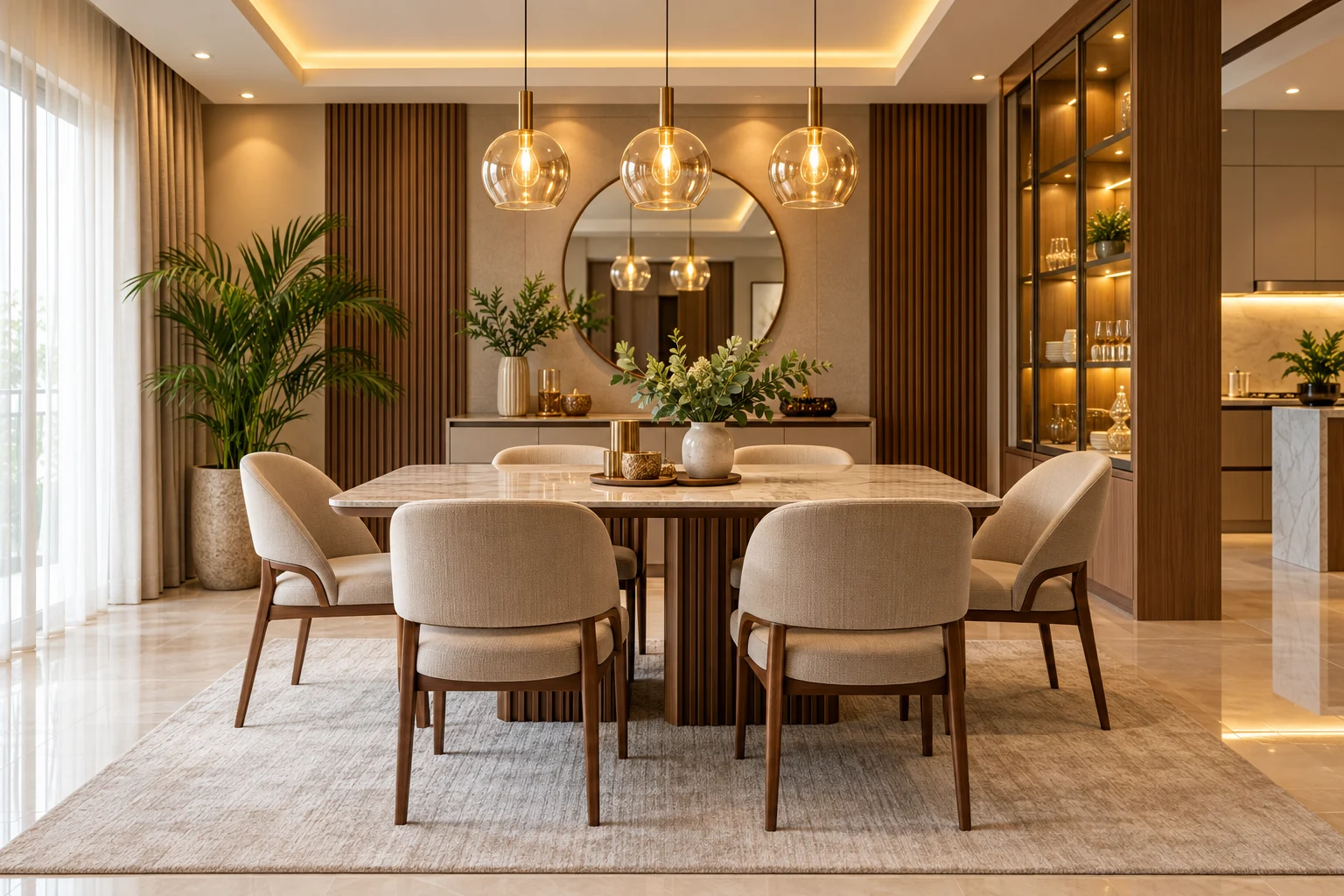
Instead of depending on a single ceiling light, modern luxury interiors use multiple layers of lighting.
Consider:
- Pendant lights
- Wall sconces
- Floor lamps
- Table lamps
- Cove lighting
- Under-cabinet lighting
- Accent lighting
Warm lighting can highlight architectural details, artwork, furniture, and natural materials.
What Lighting Is Best for a Quiet Luxury Interior?
Warm, layered lighting is generally more suitable than harsh, overly bright illumination. Combining ambient, task, and accent lighting gives the room greater depth and flexibility.
8. Personalization Is the New Luxury
One of the most important interior design shifts in 2026 is personalization.
Homeowners are moving away from perfectly staged spaces and choosing interiors that reflect their personality.
Family photographs, travel souvenirs, books, artwork, inherited furniture, collections, and handmade objects can make a home feel authentic.
The new luxury is not having the same beautiful room as everyone else—it is having a beautiful room that feels like yours.
9. Smart Technology Is Becoming More Discreet
Smart-home technology is becoming increasingly integrated into interior design.
Modern homes can use smart lighting, automated curtains, concealed speakers, smart climate controls, integrated appliances, and hidden charging systems without allowing technology to dominate the visual design.
The objective is simple: better functionality with less visual clutter.
10. Sustainable Materials Are Becoming Part of Luxury
Sustainability is also influencing the definition of luxury.
Instead of constantly replacing furniture, homeowners are increasingly interested in durable pieces that can remain useful for many years.
Sustainable luxury can include:
- Reclaimed wood
- Locally produced furniture
- Natural fabrics
- Vintage furniture
- Energy-efficient lighting
- Durable finishes
- Repairable furniture
- Long-lasting materials
Choosing quality pieces that age well can be more valuable than following every short-term trend.
How Can You Create Quiet Luxury on a Budget?
You do not need a luxury-home budget to introduce this design style.
Start with the basics:
- Declutter the room.
- Choose a warm and cohesive color palette.
- Improve the lighting.
- Add natural textures.
- Introduce one statement furniture piece.
- Replace low-quality accessories with a few meaningful pieces.
- Add artwork or handcrafted décor.
- Mix contemporary furniture with vintage elements.
- Use curtains and rugs to create softness.
- Keep the overall design balanced and uncluttered.
The key principle is quality over quantity.
Quiet Luxury for Indian Homes
Quiet luxury can be adapted particularly well to Indian interiors because Indian design already has a strong tradition of craftsmanship, natural materials, textiles, woodwork, metalwork, and decorative arts.
A contemporary Indian home can combine modern furniture with:
- Brass accents
- Handwoven fabrics
- Indian artwork
- Wooden furniture
- Stone surfaces
- Traditional crafts
- Indoor plants
- Regional textiles
This creates a style that feels modern while retaining cultural character.
Frequently Asked Questions About Quiet Luxury Interiors
What Is Quiet Luxury in Interior Design?
Quiet luxury is a design approach that focuses on understated elegance, high-quality materials, timeless furniture, natural textures, and thoughtful details instead of excessive decoration or visible displays of wealth.
Is Quiet Luxury Still a Trend in 2026?
Yes. The concept continues to influence interiors in 2026, but it is evolving toward warmer colors, stronger personalization, natural materials, craftsmanship, vintage furniture, and comfortable spaces.
What Colors Are Best for Quiet Luxury Interiors?
Warm neutrals such as cream, beige, taupe, mushroom, caramel, warm grey, and soft brown are popular choices. Deeper earthy shades can be added as accents.
How Can I Make My Home Look Luxurious Without Spending a Lot?
Focus on decluttering, warm lighting, cohesive colors, natural textures, quality curtains, carefully selected artwork, and a few statement pieces rather than filling the room with expensive décor.
Is Quiet Luxury Suitable for Small Apartments?
Yes. The style works well in small apartments because it emphasizes simplicity, multifunctional furniture, uncluttered layouts, neutral colors, and carefully selected décor.
What Materials Are Associated With Quiet Luxury?
Natural wood, stone, marble, travertine, linen, wool, leather, ceramics, textured plaster, rattan, and quality metals are commonly associated with the style.
Key Takeaways for 2026
The evolution of quiet luxury can be summarized in five principles:
- Choose quality over quantity.
- Use natural materials and warm colors.
- Mix modern pieces with vintage and handcrafted elements.
- Make the space personal rather than showroom-perfect.
- Prioritize comfort, functionality, and longevity.
Final Thoughts
Quiet luxury in 2026 is less about proving that a home is expensive and more about making it feel considered, comfortable, authentic, and timeless.
Warm neutrals, natural materials, handcrafted décor, curved furniture, vintage accents, layered lighting, smart technology, and sustainable choices are redefining modern luxury.
For homeowners, the biggest lesson is simple: you do not need more things to create a luxurious home—you need better choices.
A truly successful interior is one where design, comfort, personality, and functionality work together.
In 2026, the most luxurious home is not necessarily the most expensive one. It is the one that feels intentional, personal, and built to last.
Comments (0)
Leave a Comment
No comments yet. Be the first to comment!