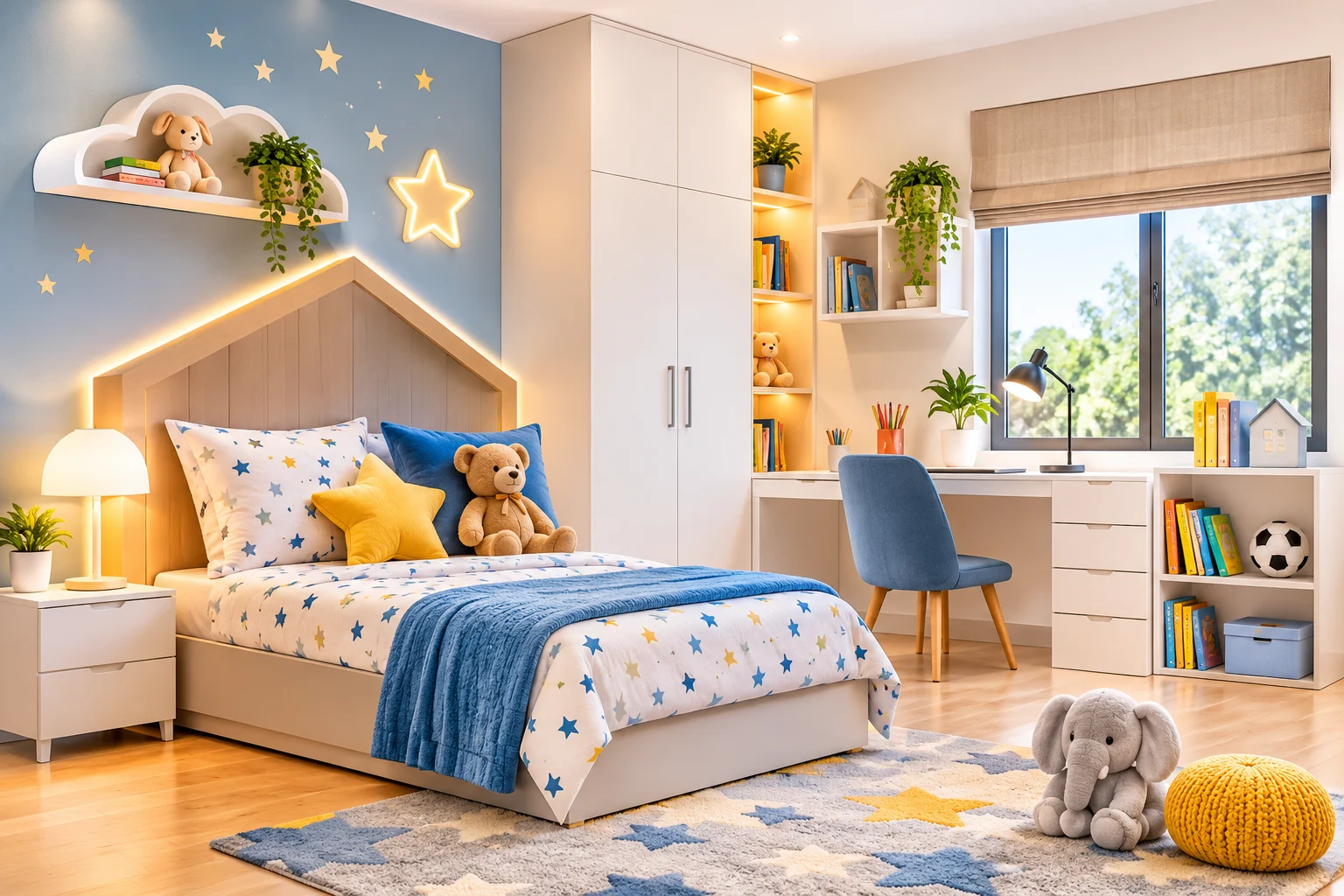
Children's Bedroom Design Ideas: Creative, Functional and Stylish Spaces for Kids
A children's bedroom is more than just a place to sleep. It is a personal space where kids learn, play, relax, read, and develop their imagination. The right children's bedroom design combines comfort, safety, creativity, and functionality to create an environment that supports a child's growing needs. Whether you have a compact apartment or a spacious home, thoughtful planning can help you design a beautiful and practical kids' bedroom.
From colourful wall designs and themed décor to smart storage solutions and multifunctional furniture, there are plenty of ways to transform an ordinary room into an inspiring space. In this guide, explore practical children's bedroom design ideas suitable for modern Indian homes, along with useful tips for choosing furniture, colours, lighting, and decorations.
1. Choose a Theme That Reflects Your Child's Personality
A bedroom theme can make a child's room more exciting and personalised. Instead of following complicated designs, choose a theme based on your child's interests, age, and preferences.
- Nature theme: Use trees, animals, clouds, and nature-inspired wallpapers for a calming environment.
- Space theme: Add planet stickers, starry ceilings, and galaxy-inspired colours for young astronomy enthusiasts.
- Adventure theme: Incorporate mountains, forests, maps, or travel-inspired wall art.
- Princess theme: Use soft pastel shades, elegant curtains, and playful decorative elements.
- Minimalist theme: Choose neutral colours, simple furniture, and organised storage for a clean and timeless appearance.
Tip: Choose removable wallpapers and replaceable accessories so the room can evolve as your child grows.
2. Select the Right Colours for a Children's Bedroom
Colours play an important role in the overall appearance and atmosphere of a children's bedroom. The best colour combination should reflect your child's personality while keeping the room comfortable and visually balanced.
- Light blue: Creates a fresh and relaxing appearance.
- Soft green: Brings a natural and refreshing feel.
- Pastel pink: Adds warmth and a gentle decorative touch.
- Yellow: Introduces brightness and cheerful energy.
- Lavender: Creates a soft and playful atmosphere.
- Beige and white: Offer a timeless look and make smaller rooms feel more open.
For a balanced design, combine one main wall colour with two complementary shades through furniture, bedding, curtains, and accessories.
3. Space-Saving Furniture for Small Children's Bedrooms
Space management is especially important in Indian apartments, where children's bedrooms may have limited floor space. Smart furniture choices can help you create enough room for sleeping, studying, and playing.
- Storage beds: Use the space underneath the bed to store toys, clothes, and extra bedding.
- Bunk beds: An excellent option for siblings sharing a bedroom, provided the design is age-appropriate and safely installed.
- Wall-mounted study desks: Save floor space while creating a dedicated study corner.
- Foldable furniture: Consider foldable tables and compact seating for flexible room layouts.
- Vertical storage: Install wall shelves and cabinets to make better use of unused wall space.
Always keep enough clear floor space for children to move and play comfortably.
4. Create a Functional Study Area
A dedicated study corner encourages children to develop good learning habits. Place a study desk near a window whenever possible to make use of natural daylight. Select a comfortable chair with appropriate support and a desk height suitable for your child's age.
Include useful elements such as:
- A comfortable, appropriately sized study chair.
- Bookshelves or wall-mounted book storage.
- A desk organiser for stationery and school supplies.
- A task light for evening study sessions.
- A pinboard or magnetic board for notes and creative work.
Keep the study area separate from the play zone where possible to help children focus on their activities.
5. Smart Storage Ideas to Keep the Room Organised
Children often have toys, books, clothes, school supplies, and hobby materials that can quickly make a bedroom messy. Well-planned storage makes everyday organisation easier for both children and parents.
- Use labelled storage baskets for toys and accessories.
- Install low-height shelves so children can access their belongings independently.
- Choose wardrobes with adjustable shelves and hanging sections.
- Use under-bed drawers for seasonal clothes and extra items.
- Add wall hooks for school bags, jackets, and everyday essentials.
- Use multifunctional furniture with built-in storage.
Keep frequently used items within easy reach and store less-used belongings in higher cabinets.
6. Lighting Ideas for a Comfortable Kids' Bedroom
Good lighting improves the functionality and comfort of a children's bedroom. A combination of natural light, general lighting, and task lighting can make the room suitable for different activities.
- Natural lighting: Use suitable curtains or blinds to allow daylight into the room.
- Ceiling lights: Provide balanced illumination throughout the bedroom.
- Study lights: Add focused lighting near the study desk.
- Night lights: Use gentle, low-glare lighting for bedtime comfort.
- Decorative lights: Consider child-safe decorative lighting to add personality.
Choose securely installed fixtures, protected wiring, and appropriate lighting products for children's spaces.
7. Wall Décor and Creative Decoration Ideas
Walls offer an excellent opportunity to introduce colour, creativity, and personality into a children's bedroom. You do not need expensive decorative materials to create an attractive room.
- Use colourful geometric wall patterns.
- Add removable cartoon or nature-inspired wallpapers.
- Create a gallery wall with framed artwork.
- Install a chalkboard or magnetic activity wall.
- Display your child's drawings and creative projects.
- Use personalised name décor or themed wall stickers.
Choose washable, low-emission paints and securely fixed wall accessories wherever possible.
8. Children's Bedroom Design Ideas Based on Age
Bedroom Design for Toddlers
For toddlers, focus on safety, open floor space, soft colours, accessible toy storage, and appropriately sized furniture. Avoid sharp furniture edges and unsecured heavy objects.
Bedroom Design for School-Age Children
Children attending school need a balanced space for studying, playing, and sleeping. Add a functional study desk, organised bookshelves, creative wall décor, and comfortable bedding.
Bedroom Design for Teenagers
Teenagers often prefer more personalised spaces. Consider modern colour combinations, a comfortable study workstation, hobby displays, practical wardrobe storage, and flexible décor that reflects their interests.
9. Children's Bedroom Safety Tips
Safety should always be a priority when planning a children's bedroom. An attractive design is only successful when it also provides a secure environment.
- Secure wardrobes, bookshelves, and tall cabinets to the wall.
- Use furniture with rounded corners or protective edge guards.
- Keep electrical sockets protected and wires properly managed.
- Avoid placing heavy decorative objects above the bed.
- Choose non-slip rugs and keep walkways clear.
- Use age-appropriate beds, mattresses, and furniture.
- Ensure bunk beds have suitable guardrails and safe access.
- Choose low-emission paints and child-appropriate materials.
10. Budget-Friendly Children's Bedroom Design Ideas
Creating a beautiful children's bedroom does not always require a major renovation. Small and thoughtful improvements can make a noticeable difference without increasing your interior design budget.
- Refresh the room with a new paint colour instead of replacing furniture.
- Use removable wallpapers for an affordable feature wall.
- Repurpose existing shelves and storage units.
- Choose multifunctional furniture to reduce the number of separate pieces.
- Update curtains, cushions, bedsheets, and rugs for a fresh look.
- Use DIY artwork and personalised decorations.
Prioritise essential furniture and storage first, then gradually add decorative elements according to your budget.
11. How to Design a Children's Bedroom in a Small Indian Apartment
Designing a children's bedroom in a compact Indian apartment requires careful space planning. The goal is to create separate zones for sleeping, studying, storage, and playing without overcrowding the room.
Start by measuring the available floor area and identifying the best locations for the bed, wardrobe, windows, and study desk. Choose furniture with compact dimensions and built-in storage. Light wall colours, mirrors, vertical shelves, and sliding wardrobe doors can also help improve the sense of space.
For shared bedrooms, consider bunk beds or separate compact beds depending on the room layout and children's ages. Keep frequently used belongings organised and leave sufficient open space for everyday activities.
Frequently Asked Questions About Children's Bedroom Design
1. How can I design a beautiful children's bedroom?
Start with a suitable colour palette and age-appropriate furniture. Add comfortable bedding, organised storage, a functional study area, and personalised decorations to create a practical and attractive bedroom.
2. Which colours are best for a children's bedroom?
Soft blue, pastel green, lavender, light yellow, beige, and white are popular choices. Select colours based on your child's preferences and the amount of natural light available.
3. How can I design a small kids' bedroom?
Use multifunctional furniture, storage beds, wall-mounted desks, vertical shelves, and sliding wardrobes. Keep the layout simple and avoid unnecessary furniture to maximise usable floor space.
4. What furniture is essential for a children's bedroom?
Essential furniture generally includes a suitable bed, wardrobe, storage units, and an age-appropriate study desk and chair. Additional furniture depends on the child's age, activities, and available room space.
5. How can I make a children's bedroom safe?
Secure heavy furniture to walls, protect electrical outlets, use rounded furniture edges, avoid loose wires, and choose age-appropriate furniture. Keep walkways clear and ensure that decorative items are securely installed.
6. How can I decorate a kids' bedroom on a low budget?
Use affordable wall paint, removable stickers, DIY artwork, colourful bedding, storage baskets, and existing furniture. These simple updates can improve the room without requiring a complete renovation.
7. How do I design a shared bedroom for two children?
Consider bunk beds or separate compact beds, individual storage spaces, and separate study or activity zones. Give each child a small personalised area while maintaining a consistent overall design.
Conclusion
The best children's bedroom design balances creativity, comfort, safety, and smart space utilisation. Whether you are planning a colourful toddler's room, a practical school-going child's bedroom, or a modern teenager's space, focus on furniture that supports everyday activities and décor that can adapt as your child grows.
With thoughtful planning, suitable colours, multifunctional furniture, and organised storage, you can transform even a small bedroom into a welcoming and inspiring space. Explore different kids' bedroom design ideas and create a room your child will love spending time in.
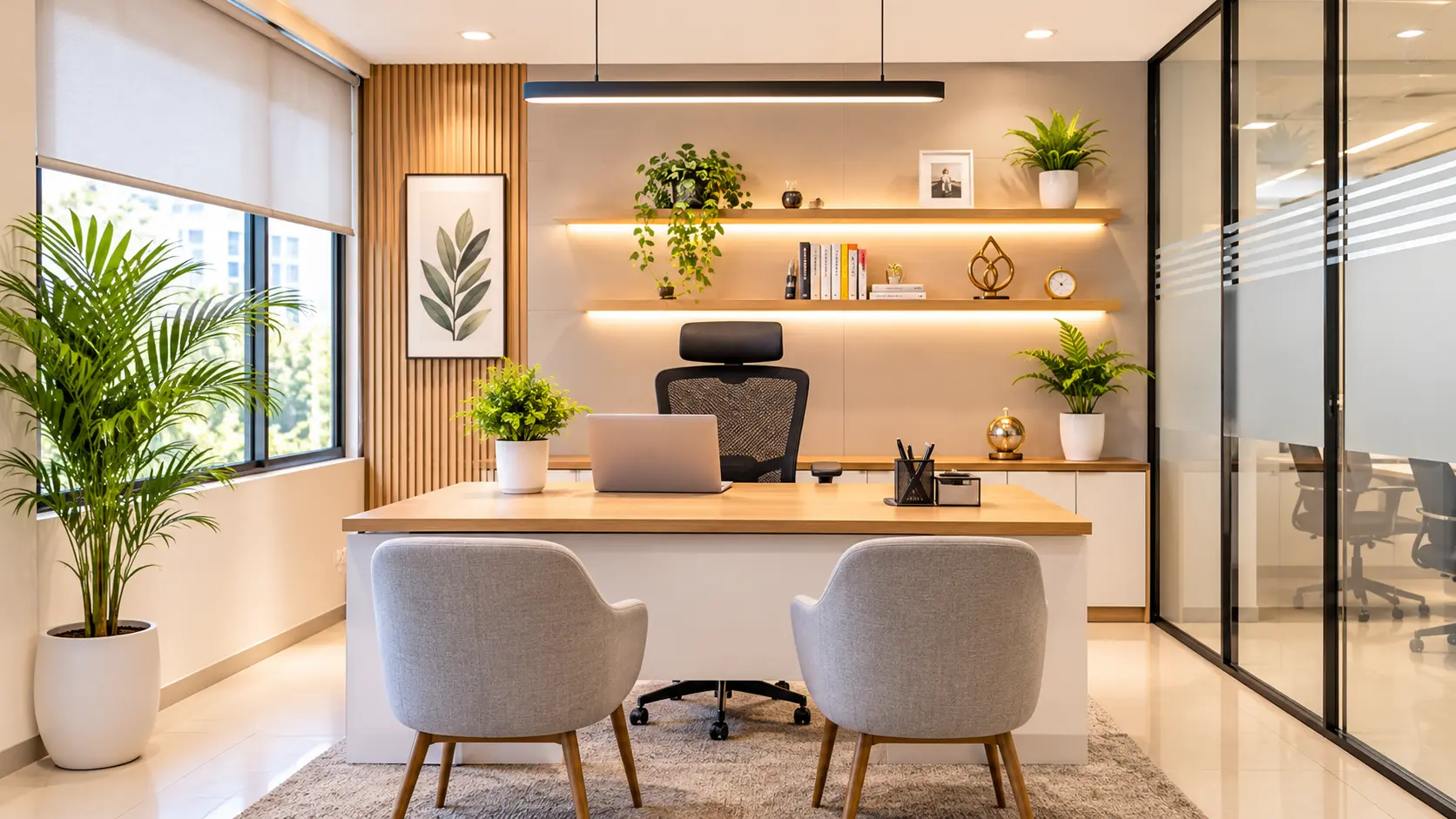
```htmlLooking to create a productive and stylish workspace? Explore our guide on Interior Design for Small Office and discover smart ideas to maximise space, improve functionality, and create a comfortable working environment.
Comments (0)
Leave a Comment
No comments yet. Be the first to comment!